
VACUUM BAGS
Shrink bags
Our shrink vacuum bags are made from high-quality barrier materials.
Contact us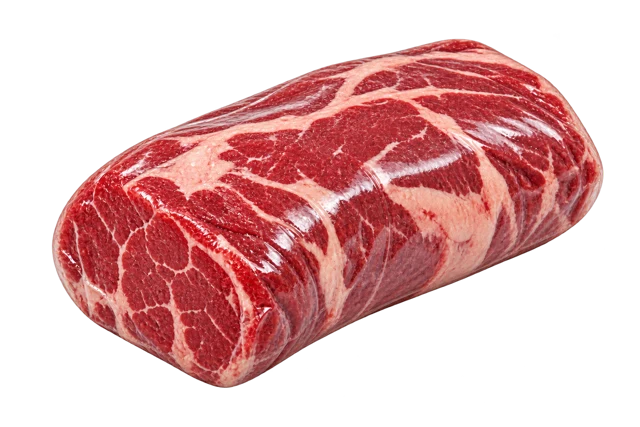
Benefits
- High clarity and gloss.
- High shrinkage: 45–50%.
- Good sealability, including overlapping bags, thanks to the outer PET layer.
- Free from chlorine-containing compounds.
- A strong butt seal allows the full bag area to be used.
- High barrier performance provided by the EVOH layer.
Properties and applications
| Material structures | PET/PA/EVOH/PE, PET/PA/PE |
|---|---|
| Thickness, µm | 40–80 |
| Heat shrinkage, % | 45–50 |
| Rounded bottom seal | Width: 200 mm; length: 1000 mm. |
| Side seal | Width: 70 mm; length: 700 mm. |
Features and options
 Surface printingThe image is printed on the outer surface of the film. A protective coating can be applied when required.
 Clear and coloured versionsThe material can be transparent to show the product or coloured to suit the packaging requirements.
 High puncture resistanceIncreased resistance to punctures and mechanical damage. Material thickness and structure are selected for the product’s shape.
 Side and butt sealsDifferent seal layouts allow the pouch shape to be matched to the product and packaging process.
 Rounded bottom sealA curved seal at the bottom of the pouch shapes its base and helps match the packaging to the product.
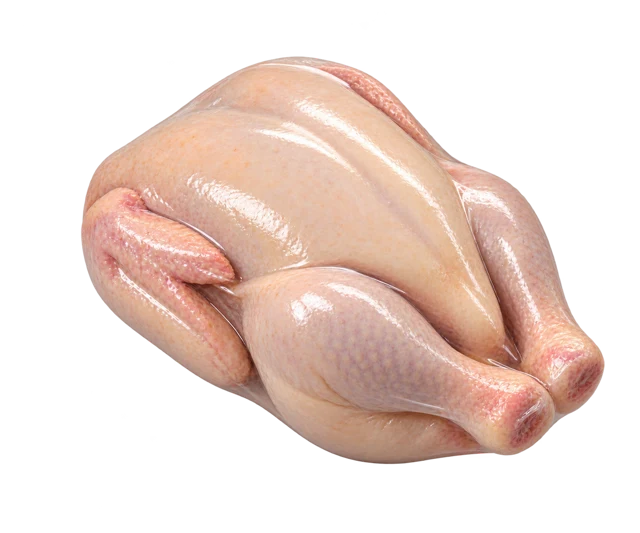
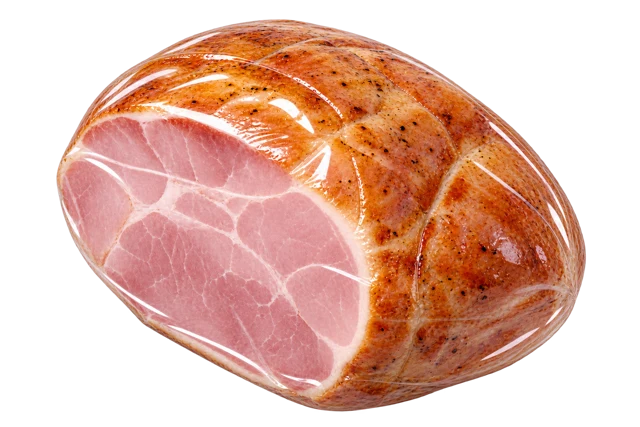
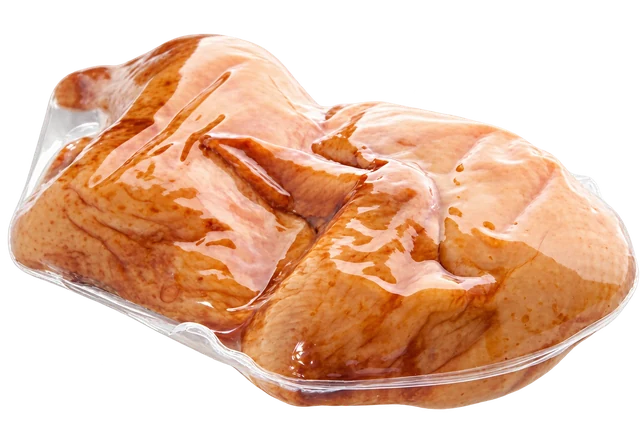
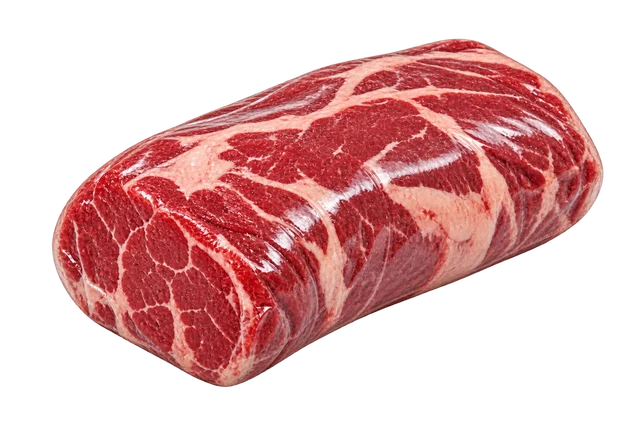
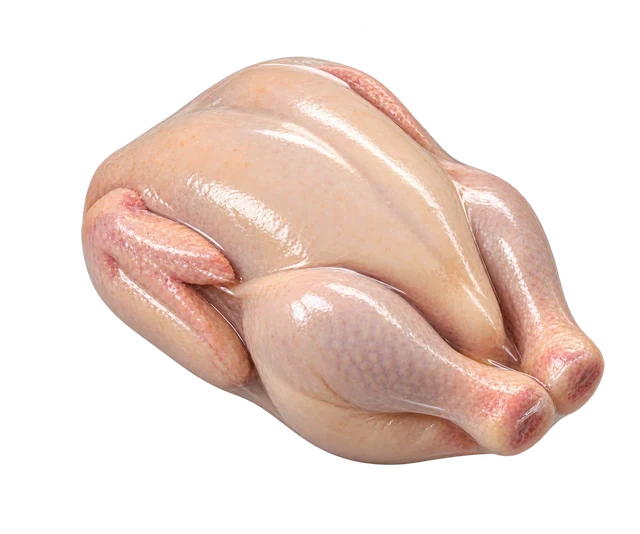
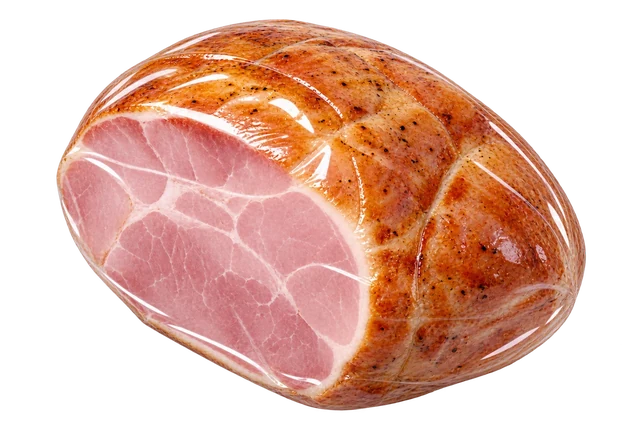
Application examples
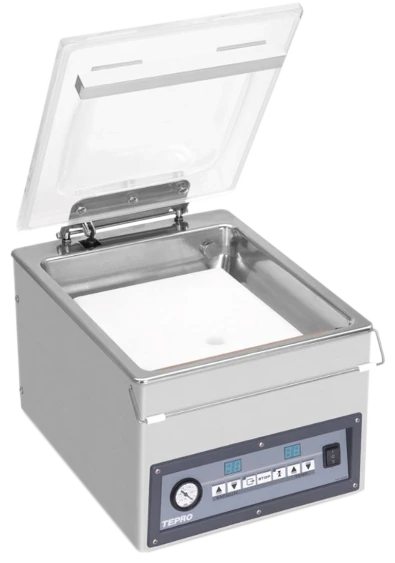
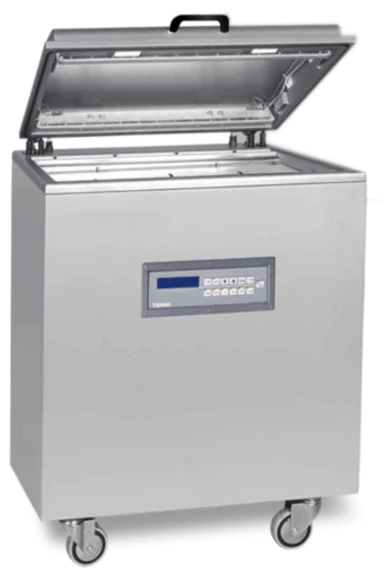
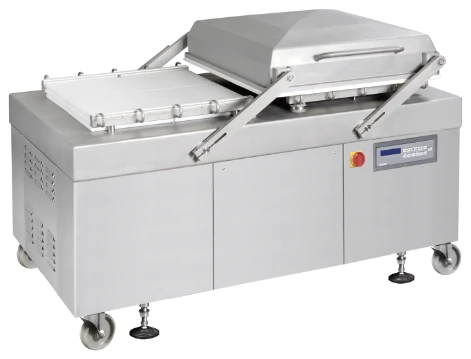
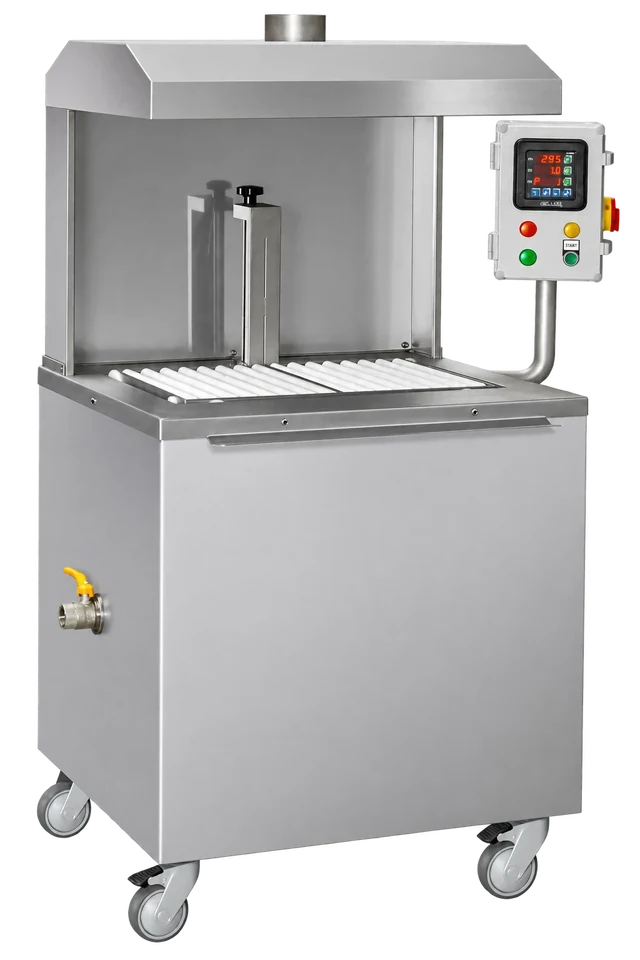
Equipment for these bags
What to consider when selecting a material
A shrink bag is used in two stages: vacuum packaging followed by heat shrinking. Selection requires product shape, sharp edges, dimensions and the processing equipment. Bag size and shrinking conditions are selected together.
Selection questions
How does a shrink bag differ from an ordinary bag?
After the appropriate heat treatment, it shrinks and closely follows the product’s contours. An ordinary vacuum bag does not necessarily have this property.
What is the processing sequence?
First vacuum-pack and seal the product using compatible equipment, then carry out the shrinking stage. Match both stages to the material and product.
What determines smooth conformity around the product?
Bag size, material properties and processing settings all matter. Check the result on the actual product, rather than judging only the empty bag.
Does one shrinking setting suit all bags?
No. Set temperature and processing time according to material properties and equipment capabilities. Verify settings whenever the bag changes.
How is a bag selected for a particular product?
Provide product dimensions, shape and weight, the vacuum-machine model and shrinking method. This helps match bag format and properties to the process.
Send us an enquiry
Leave a phone number or an email address — one contact method is enough.