
ADDITIONAL MATERIALS
Trays
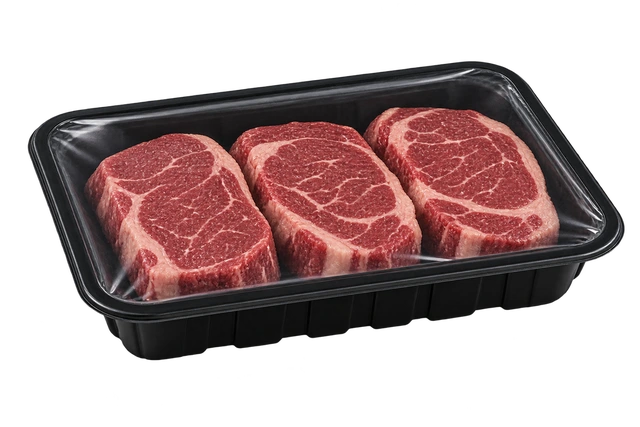
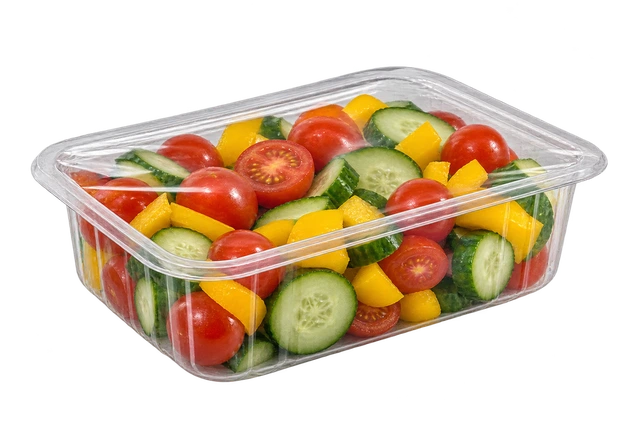
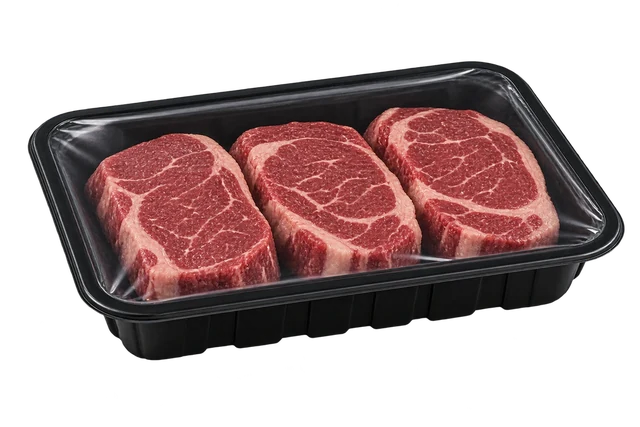
We offer trays for packing meat, vegetables, salads, prepared foods, convenience products and other products. The range includes standard containers and customised shapes, sizes and materials.
Contact us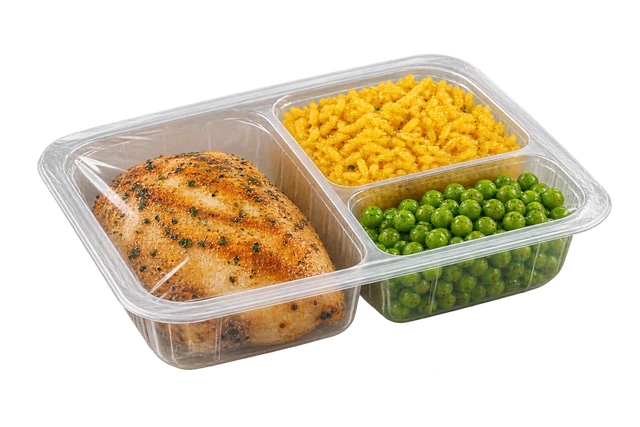
About the material
Trays are available in different volumes and shapes: rectangular, oval, square, round, two- and three-compartment, clear and coloured.
Solutions can be selected for your process: heat sealing, modified atmosphere packaging, microwave or oven use (220 °C), and deep freezing.
Properties and applications
| Materials | PP, PP/EVOH/PE, APET, APET/PE, C-PET, PVC/PE |
|---|---|
| Conditions of use | Ambient temperature, pasteurisation, sterilisation, microwave and conventional oven use. |
| Main sizes, mm | |
| For fresh meat | 187 × 137; 227 × 178; 230 × 144; 205 × 160; 220 × 170; 260 × 178; 324 × 264 |
| For vegetables | 187 × 137; 245 × 144 |
| For salads | 180 × 180; 1, 2 or 3 compartments. |
| Depth, mm | 36–100 |
| Additional properties | For freezing and deep freezing; an additional PE or PE/PEEL sealing layer; an EVOH barrier; an absorbent insert; coloured versions. |
Properties and options
 Easy peel — optionalOptional peel sealing lets the lidding film separate easily from the tray rim. It requires a compatible tray and film and is not available with every grade.
 Freezing — suitable gradesThe material retains the required properties during freezing and low-temperature storage. Its working temperature range depends on the material structure.
 Clear and coloured optionsThe material can be transparent to show the product or coloured to suit the packaging requirements.
 Mechanical strengthIncreased resistance to punctures and mechanical damage. Material thickness and structure are selected for the product’s shape.
 Pasteurisation — suitable gradesControlled heating of the packed product to reduce microorganisms. Temperature and duration are selected for the product and its packaging.
 Oven use — suitable gradesThe material is suitable for oven heating under specified conditions. Check the permitted temperature and duration for the particular material.
 Barrier properties — optionalSpecial barrier layers, such as EVOH, reduce gas transmission. MAP requires a compatible tray and lidding film.
 Single and multiple compartmentsSeparate compartments hold different components in one tray. Select the compartment layout and size for the portion.
Application examples
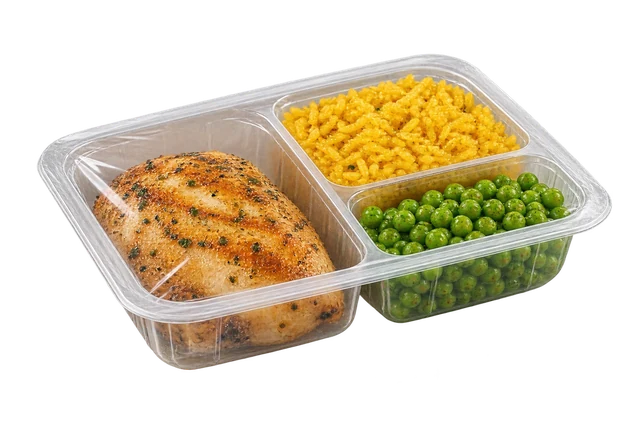
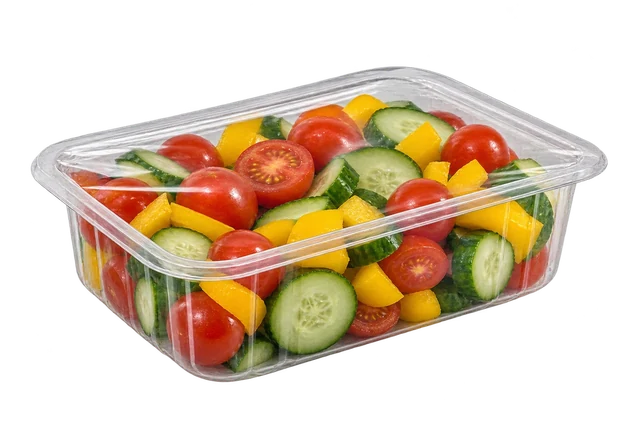
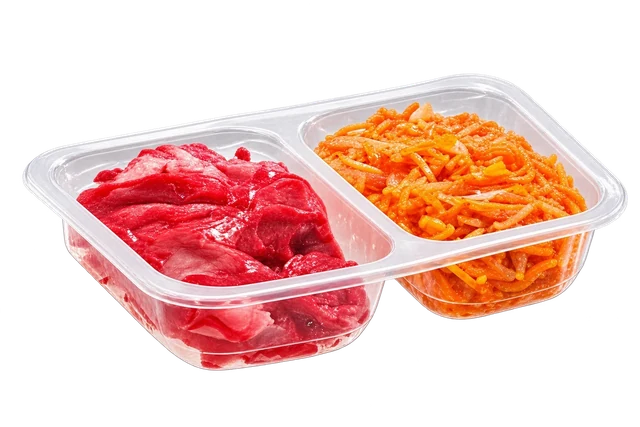
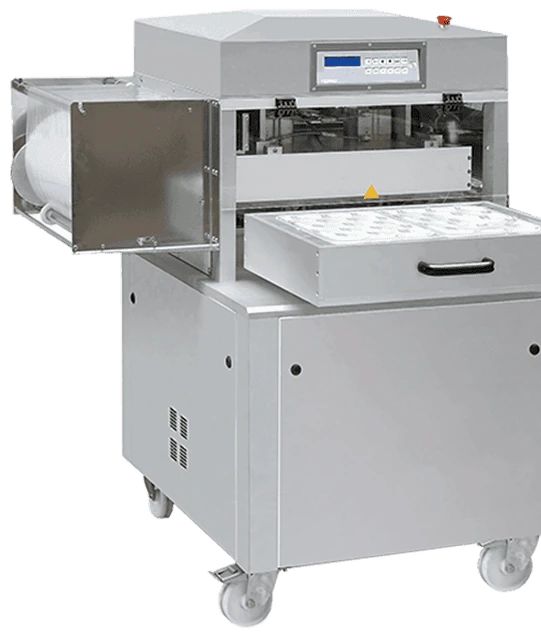
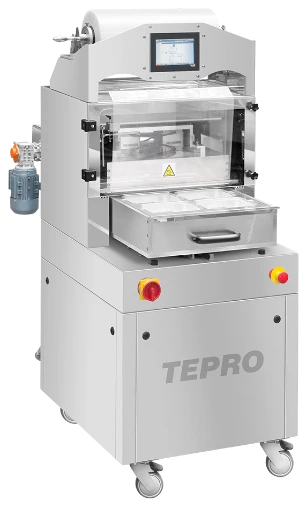
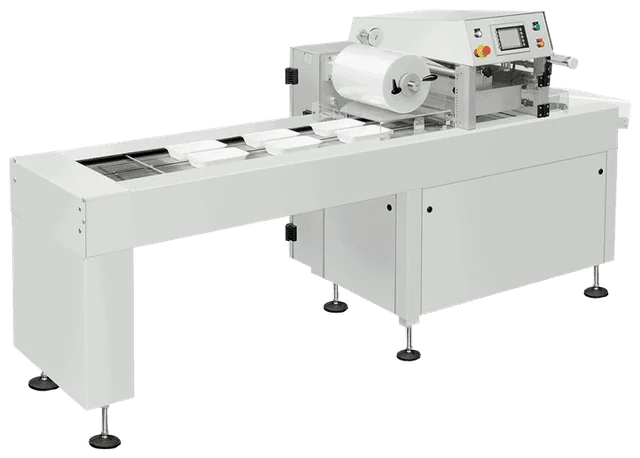
Equipment for these trays
What to consider when selecting a material
Check tray compatibility with the traysealer mould and lidding film. Specify external dimensions, depth, the product and processing conditions. Oven or microwave use requires confirmed suitability of the specific material.
Selection questions
How are tray shape and dimensions selected?
Consider the product, portion size, required depth and packaging method. For a traysealer, check the format against the machine tooling.
Will any film seal to a tray?
No. The tray material and the lidding film’s sealing layer must be compatible. Verify seal quality under the intended conditions.
Can a tray be used for MAP packaging?
Check the tray material, lidding film and the relevant equipment configuration. Match all components as a packaging system.
Can the product be heated in its tray?
That depends on the particular material and intended use. Check permitted heating methods and conditions in the tray specification.
What should I prepare for tray selection?
Provide a product description, portion dimensions, traysealer model and finished-pack requirements. An existing tray sample can help verify the format.
Send us an enquiry
Leave a phone number or an email address — one contact method is enough.