
ADDITIONAL MATERIALS
Interleaving films
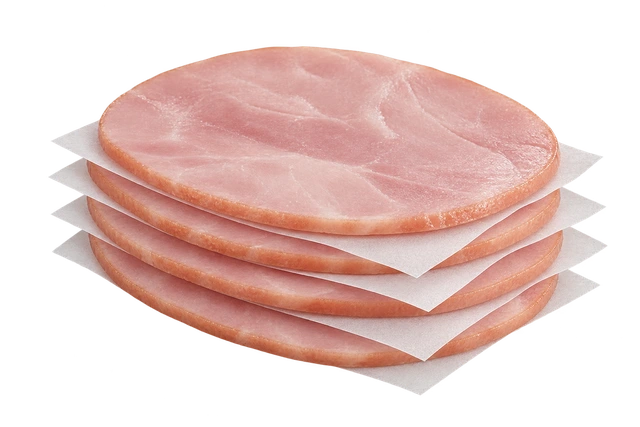
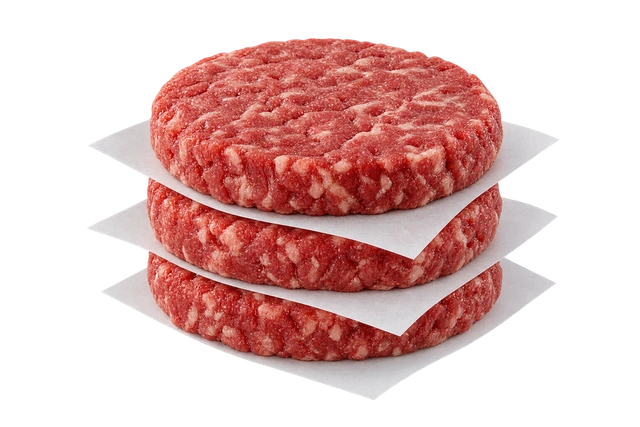
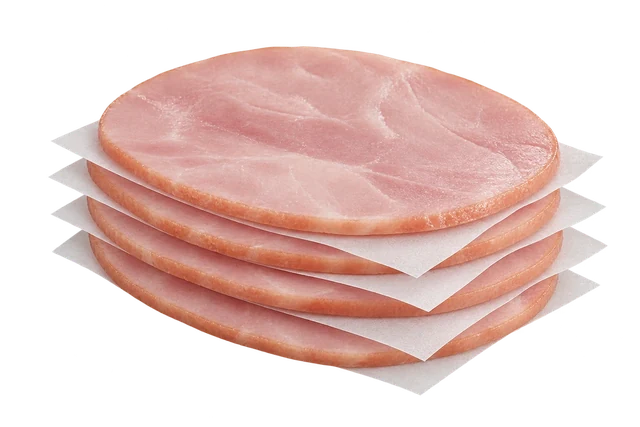
INTERLEAVER films made from biaxially oriented polystyrene (OPS) separate product slices and prevent sticking. Suitable for high-output slicers cutting and stacking cheese, ham and seafood.
Contact us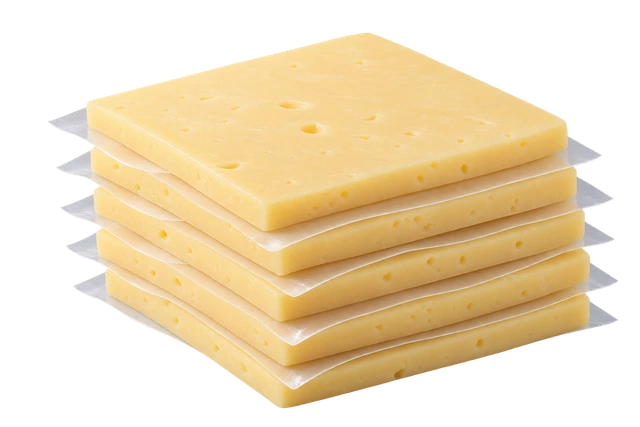
About the material
Clear, white and matt versions are available.
Highly biaxially oriented polystyrene (PS) films can be used on machines operating at up to 1200 cuts per minute.
Benefits
- Even, smooth-cut edges.
- A smooth finish thanks to the material's high stiffness.
- Do not absorb moisture.
- Do not stain.
- Odourless and suitable for direct food contact.
Properties and options
 Slice separationA thin interleaver between slices reduces sticking and helps separate portions without damaging the product.
 Non-absorbent materialOPS film is not an absorbent pad: it separates slices and is not designed to soak up product juices.
 Stiffness for feedingThin OPS film stiffness supports stable unwinding, cutting and placement between slices. Select the grade for the slicer.
 Clean, smooth edgesOPS film gives a clean cut without paper fibres. Match material and blade settings to the slicing process.
 For automatic slicersInterleaver is fed to the slicer and placed between slices during cutting. Select its format and stiffness for the machine model.
 Clear, white and matt optionsClear, white or matt interleaving film is selected for the product and desired sliced-pack presentation.
Application examples
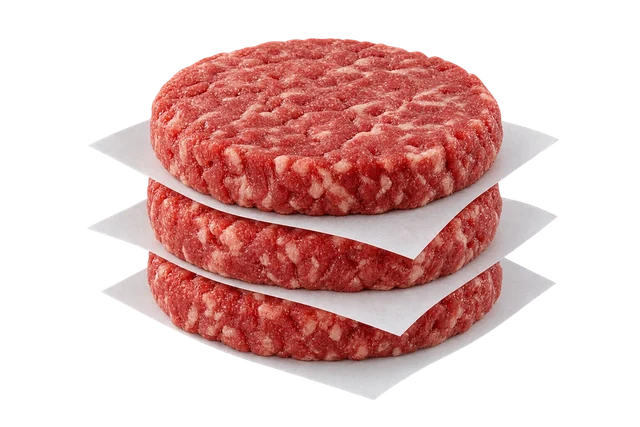
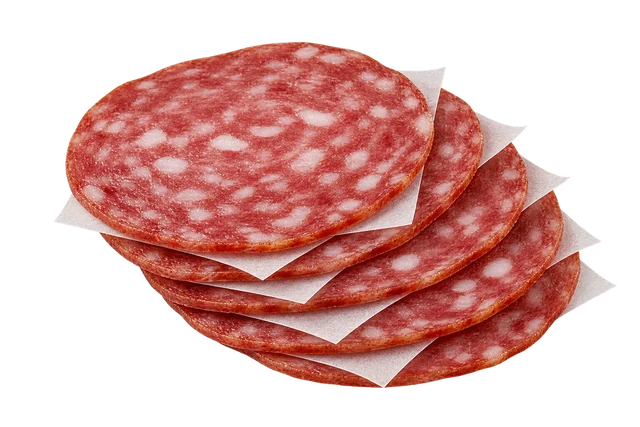
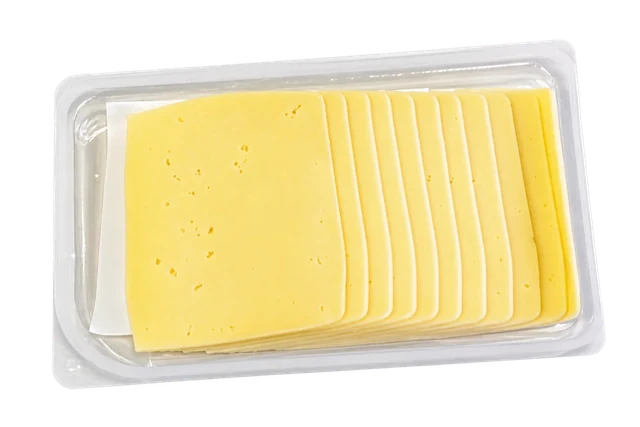
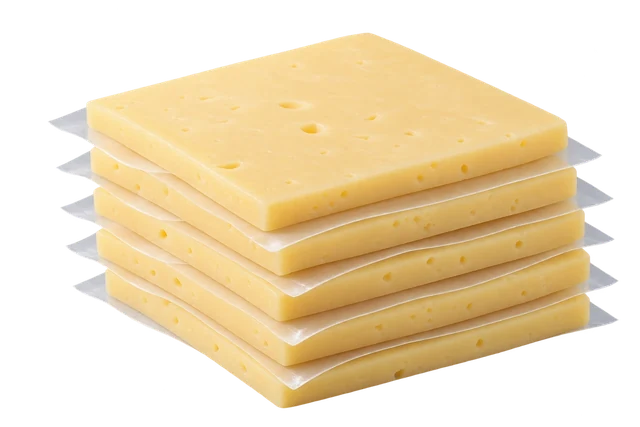
What to consider when selecting a material
Select interleaving film for the slicing and stacking process. Specify the product, separator-sheet format and slicer model. Material stiffness and feeding must suit the line’s operation.
Selection questions
What is interleaving material used for?
It separates product slices after cutting, making them easier to separate. Select the format for the product and packaging process.
How are interleaver dimensions determined?
Consider slice geometry and the required surface coverage. For machine feeding, check dimensions against equipment requirements.
Can one material be used for different products?
Check the product surface, moisture and other characteristics. Suitability for one application does not automatically establish suitability for another.
Which machine details are needed?
Provide the slicer or packaging-machine model and the interleaver-feeding method. The working format and the machine requirements also matter.
How is the result checked in production?
Assess material feeding, placement between slices and ease of separation. Trial it with your product in the operating process.
Send us an enquiry
Leave a phone number or an email address — one contact method is enough.